🌟 Developmental Milestones

Every child develops at their own pace. These are guides, not strict rules!

🎯 Interactive Milestone Checker

Select your child's age to see typical milestones

👶 0-6 Months: The Beginning

Startles at loud noises and turns towards sounds
Responds to tone of voice
Makes cooing sounds
Smiles in response and makes eye contact
Cries to communicate needs
💡 What you can do: Talk throughout the day, sing songs, respond to their sounds, make lots of eye contact!

👶 6-12 Months: First Words Coming!

Babbles using various sounds (ba-ba, da-da)
Responds to their name
Understands simple words like "no"
May say first words around 12 months
Uses gestures like waving
💡 What you can do: Name objects, read board books, play peek-a-boo, copy their sounds back to them!

🧒 1-2 Years: Words Are Coming!

Vocabulary grows to 50+ words by age 2
Follows simple instructions
Begins putting two words together
Points to share interests
Begins pretend play
💡 What you can do: Expand what they say, give choices, read together daily, comment on their interests!
⚠️ Seek advice if: Your child has fewer than 10 words by 18 months or isn't putting two words together by age 2.

👦 2-3 Years: Sentences!

Uses 3-4 word sentences
Asks lots of questions
Vocabulary: 200-500 words
Speech becoming clearer
Begins simple conversations
💡 What you can do: Give time to respond, ask open questions, expand sentences, encourage pretend play!

👧 3-4 Years: Stories!

Uses 4-6 word sentences
Asks "why" and "how" questions
Can tell simple stories
Most speech understood by strangers
Takes turns in conversation
💡 What you can do: Encourage storytelling, discuss feelings, play games with rules!
⚠️ Seek advice if: Your child is difficult to understand by age 3 or struggles to follow simple instructions.

🧑 4-5 Years: Complex Ideas!

Uses well-formed sentences
Can recount detailed events
Vocabulary: 1,500-2,000 words
Holds good conversations
Understands humor and jokes
💡 What you can do: Have detailed conversations, encourage creative stories, discuss abstract concepts!

Detailed Milestone Timeline

👶

Birth to 12 Months: The Beginning

Baby 0-12 months

Early months (0-6): Startles at loud noises, turns towards sounds, responds to tone of voice, cries to communicate needs, then coos and babbles, smiles in response and makes eye contact.

6-12 months: Listens to songs and rhymes, responds to their name, babbles using various sounds, may say first words around 12 months ("mama," "dada"), enjoys peek-a-boo and uses gestures like waving.

💡 What you can do: Converse during the day, answer noises and coos, sing songs, nursery rhymes, share simple board books.
🧒

1 to 2 Years: Words Are Coming!

Toddler 1-2 years

Focuses on activities for short periods, understands many more words than they can say, follows simple instructions, vocabulary grows to 50+ words by age 2, begins putting two words together, points to share interests and begins pretend play.

💡 What you can do: Elaborate on what they are saying, offer them easy options, commenting on their likes, reading books together every day.
👦

2 to 3 Years: Sentences and Conversations
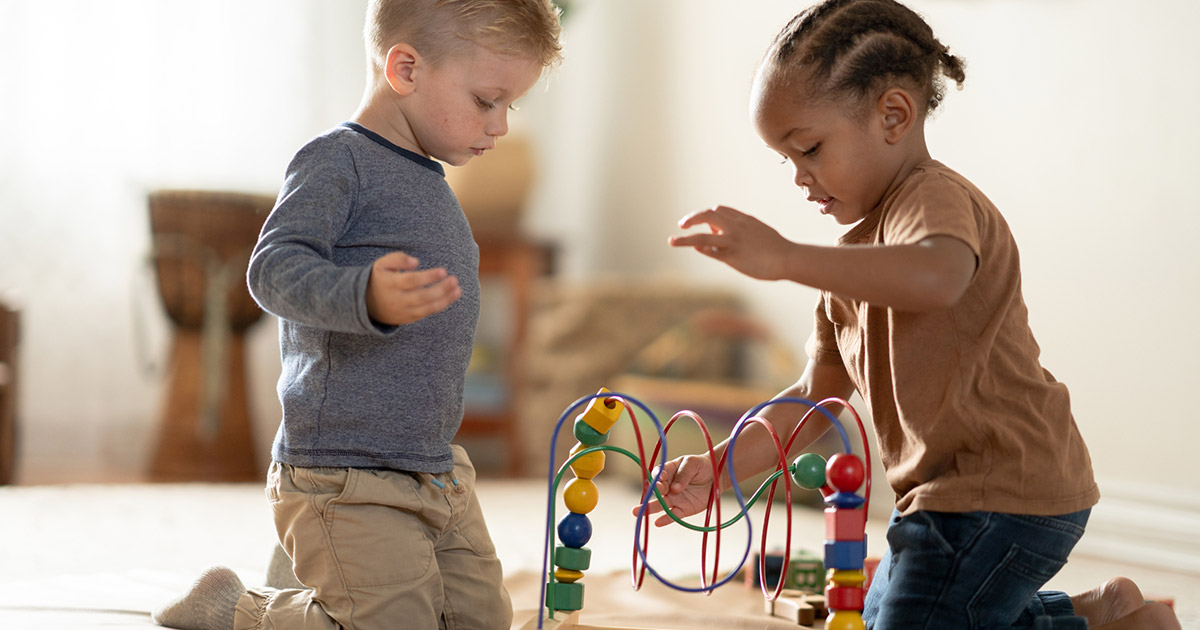
Child 2-3 years

Listens to longer stories, understands two-part instructions, uses 3-4 word sentences, asks lots of questions (especially "what" and "where"), vocabulary rapidly expanding (200-500 words), speech becoming clearer, begins simple conversations.

💡 What you can do: Allow them to speak, use open-ended questions, extend their sentences, promote pretending.
👧

3 to 4 Years: Stories and Explanations

Child 3-4 years

Focuses on activities for longer periods, understands more complex instructions and "why" questions, uses sentences of 4-6 words, asks many "why" and "how" questions, can tell simple stories, most speech understood by strangers.

💡 What you can do: Promote story-telling, talk about feelings and emotion, play rules and continue reading.
🧑

4 to 5 Years: Complex Ideas

Child 4-5 years

Pays attention for extended periods, understands complex sentences and time concepts, uses well-formed sentences, can recount detailed events, uses imagination in storytelling, large vocabulary (1,500-2,000 words), most sounds produced correctly, holds good conversations and understands humor.

💡 What you can do: Have detailed conversations, encourage creative storytelling, discuss abstract concepts, support friendships and social play.